
Get updates
Have a parenting hack to share? Or a topic you'd like to see?
Top eczema myths parents should stop believing

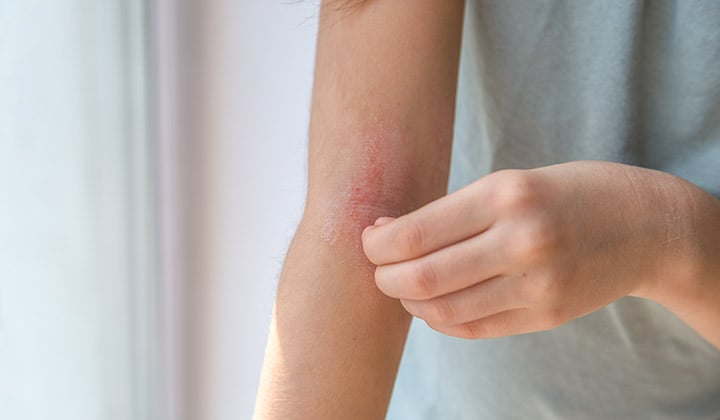
Eczema can be confusing and stressful for families. Eczema causes aren't always clear, and while there’s a lot of advice out there...not all of it is true. Let’s bust some common myths about eczema in children so you can feel confident caring for your child's skin.
Eczema Myth 1: Food allergies cause eczema
Eczema isn’t caused by food allergies. It happens because the skin barrier is weak, often due to a gene change that affects how skin holds moisture. While allergies can sometimes be eczema triggers that lead to flare-ups, they aren’t the root cause.
Eczema Myth 2: Daily baths make eczema worse
Actually, daily baths can help. The trick is to use the “soak and seal” method: soak in lukewarm water, use soap only at the end, pat dry, then lock in moisture with a thick cream or ointment like petroleum jelly.
Eczema Myth 3: A food allergy panel will fix eczema
Broad food allergy panels often give false positives. Avoiding foods unnecessarily can lead to stress and even malnutrition. If you suspect a food allergy, talk to an allergist about targeted testing instead.
Eczema Myth 4: Only creams can treat eczema
Creams are important, but they’re not the only option. Doctors may also recommend oral antihistamines for itching or biologic medicines for severe cases.
Eczema Myth 5: Eczema is an allergy
Eczema and allergies can go hand in hand, but eczema isn’t an allergy. Most kids with eczema don’t have food allergies.
Eczema Myth 6: Eczema is contagious
Nope. Eczema can run in families, but you can’t catch it from someone else.
Eczema can feel overwhelming, but most eczema myths make it harder to manage. If your kid is struggling, you’re not alone. Many families deal with eczema, and it’s something you can manage with the right care and support. Start with simple steps like moisturizing often and talking to your doctor about what works best for your child. Remember, progress takes time, and every small step counts toward healthier skin.
Clinical Assistant Professor of Pediatrics, University of Missouri-Kansas City School of Medicine
Section Chief, Allergy & Immunology; Medical Director, Allergy & Immunology Clinic; Medical Director, Immunology Service; Associate Professor of Pediatrics, University of Missouri-Kansas City School of Medicine