
Get updates
Have a parenting hack to share? Or a topic you'd like to see?
Navigating challenges in blended families

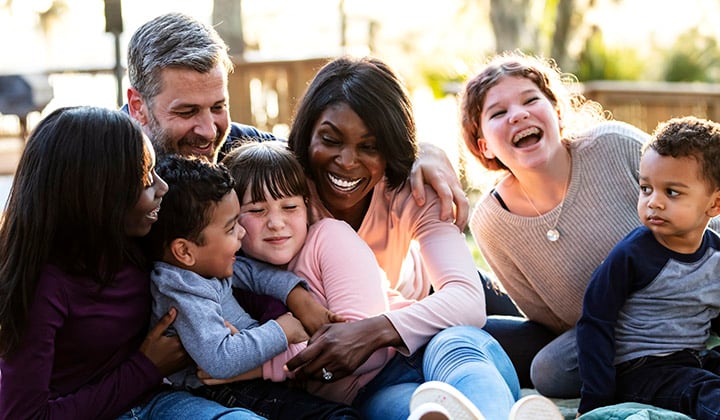
Ever tried mixing 2 favorite recipes and hoping for the perfect dish? Blending families can feel a lot like that—full of new flavors, a few surprises and plenty of chances to make something amazing. It’s not always easy, but with ingredients like patience, kindness and clear communication, you can help everyone feel at home.
Expect mixed emotions
Kids might feel frustrated, sad, worried or even a little insecure when they learn their family will be merging with another. Divorce is already a difficult transition, and they’ve begun to adjust to their “new normal.” They may miss old routines and traditions. Some may like their parent’s new partner but still feel unsure about what this means for their family. These feelings are part of adjusting to change, and most kids do well over time with support.
Keep in mind that children’s responses will vary based on their age, temperament, developmental level and more. You know your child best, so support them in a way that will help them with this change.
Talk about what will change—and what won’t
Before moving in together or changing routines, let kids know what will stay the same. Will they keep their school? Will holidays look different? Encourage kids to share their concerns so you can help them feel safe and heard.
Make new roles clear
Every blended family is unique. Some kids may accept words like “stepmom” or “stepsibling,” while others may not. Instead of forcing labels, focus on building positive routines and clear expectations. Posting family rules—like “be kind” or “take turns”—can help everyone know what’s expected. By having these expectations, you can avoid any uncertainty or conflicts. Keeping them in a visual, high-traffic spot will help, too!
Avoid negative talk
Kids notice when parents criticize each other or argue. Try to keep comments about your co-parent positive or neutral. If kids resist the new family setup, respond with patience and understanding instead of defensiveness. When conflict does occur, encourage active problem solving instead of passing blame.
Create a sense of belonging
Blending families takes time, and patience and flexibility are key factors in making the transition go smoothly. Celebrate small wins and make space for fun traditions. Praise kids often and let them know they matter. A little kindness and predictability go a long way toward helping kids feel secure.
Also, remember you’re creating your own family unit! Finding ways to connect, build traditions and celebrate milestones will help your blended family begin to feel like a team.
Watch for signs of stress
If your child avoids family time, seems irritable or spends more time alone, they may be struggling. Balance group activities with one-on-one time and check in with curiosity and care.
Know when to seek help
If stress feels overwhelming or kids show signs of anxiety or depression, consider reaching out to a family therapist. They can help with routines, expectations and coping strategies that support everyone.
Blending families isn’t easy, but with patience, flexibility and open communication, you can create a home where everyone feels valued.
Section Chief, Pediatric Psychology Consultation/Liaison Services; Director, Acute Behavioral Health Program Development; Professor of Pediatrics, University of Missouri-Kansas City School of Medicine