
Get updates
Have a parenting hack to share? Or a topic you'd like to see?
Balanced after-school routine for kids: Rest, play, homework

Contributing Authors
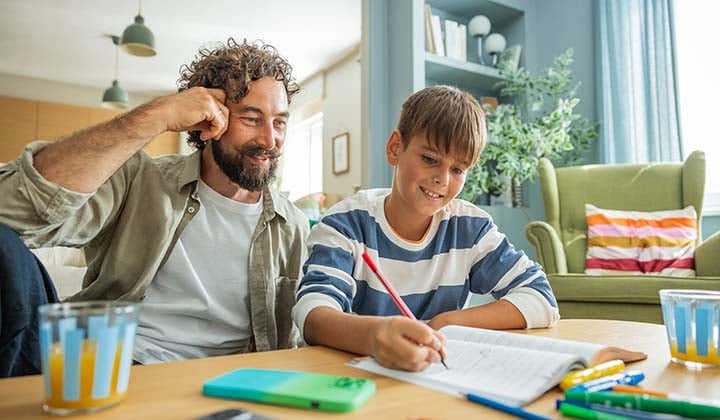
The final school bell rings, backpacks hit the floor and suddenly the day feels far from over. For many families, the after-school hours can be the busiest part of the day. Between homework, sports, activities, family time and dinner, it can feel like a race to fit everything in.
But here's something many parents need to hear: the healthiest after-school routine is not always the busiest one. Kids need time to grow, learn and explore. They also need time to rest, recharge and reconnect with the people they love. A thoughtful after-school routine for kids can make these hours easier for everyone.
Why the after-school hours matter
By the time kids get home from school, they have already worked hard all day. They have spent hours paying attention, following directions, solving problems, managing emotions and interacting with classmates and teachers. Older kids and teens may also be balancing academic pressure, social challenges and extracurricular commitments.
That is why the hours after school play such an important role. They give kids a chance to recover from the demands of the day while continuing to develop important life skills.
A healthy after-school routine often includes a mix of:
- Rest and downtime
- Physical activity and play
- Family connection
- Homework and responsibilities
- Activities that match a child's interests
- Regular meals and snacks
- Enough time to wind down before bed and get healthy sleep
In short, a balanced after-school routine for kids should include snack and hydration, a short decompression period, movement, focused homework time, play or activities, family connection and a calm wind-down.
Why some kids struggle after school
Have you ever heard that your child had a great day at school only to come home and melt down over something small? You are not alone.
Children spend much of the school day working hard to meet expectations. When they finally get home, they may feel safe enough to release the stress, fatigue and emotions they have been holding in.
This does not mean bad behavior should be ignored. But it can help to view these moments through a different lens.
Instead of jumping straight into questions, commands or corrections, consider offering a snack, quiet time, or an opportunity to play and decompress first. Giving kids space to transition from school mode to home mode can make a big difference and support healthy routines.
Signs your child may need more downtime
There is no perfect number of activities for every child. Some kids thrive with a full schedule. Others need more free time to recharge. The key is paying attention to how your child is functioning overall.
Your child may benefit from more downtime if they:
- Seem overwhelmed or exhausted regularly
- Have frequent after-school meltdowns
- Struggle to get enough sleep
- Lose interest in activities they once enjoyed
- Feel anxious about schoolwork or extracurricular activities
- Have very little unscheduled time during the week
At the same time, structured activities can be incredibly valuable. Sports, arts, clubs and other programs can help kids build confidence, develop new skills, make friends and discover interests that matter to them. The goal is not to eliminate activities. The goal is to find the right balance and protect downtime within healthy routines for kids.
How to create an after-school routine that works
Kids generally do best when their days have some predictability. That does not mean scheduling every minute. Instead, think about creating a consistent rhythm for kids after school.
A simple routine and best order for after-school activities might look like this:
School → Snack and decompress → Physical activity → Homework → Play or activity → Dinner → Bedtime routine
When to tackle homework in their after-school routine? After a brief decompression and some movement, most children focus better on homework. However, every child is different, so do what works best for your child.
How can I help my child transition from school to homework time? Use a consistent routine and cues in that routine. One example of this may be: snack, quiet or outdoor play, then a timer to start homework in a distraction-free spot. Offer choices within structure, such as pick which subject first, and use visual schedules for younger children to make the after-school routine clear.
Simple habits that support emotional wellbeing
The good news is that you do not need elaborate plans or expensive activities to support your child's mental health. Some of the most meaningful after-school habits are also the simplest.
Make time for one-on-one connection
Even a few minutes of focused, one-on-one caregiver and child “special time” can strengthen your relationship with your child. For younger kids, this may be playing together. For older children and teens, it might be together time such as taking a walk or cooking. Certain skills such as following your child’s lead in the activity, reflecting what your child says, and praising your child’s appropriate behaviors can make a notable impact on improving the parent-child relationship and increasing their confidence, among other benefits.
Protect play and free time
Play helps children build social, emotional and self-regulation skills. Older kids and teens still need restorative activities too, even if they no longer call it play. Hobbies, music, creative activities and time with friends all count as valuable parts of an after-school routine.
Encourage movement
Physical activity can be a great way to transition out of the school day. A bike ride, walk, playground visit or backyard game can help kids reset after hours spent in the classroom.
Prioritize family meals when possible
Family meals create natural opportunities for connection. It does not have to be a perfect dinner every night. Breakfast, an after-school snack or a late dinner after practice can be just as meaningful.
Wind down before bedtime
Sleep is important for growing kids. But one piece of the puzzle that parents often overlook is the time before bed. A good evening routine should help kids get enough sleep and give them time to relax before their heads hit the pillow. Going straight from homework, sports or other busy activities into bedtime can make it harder to get quality sleep. And sleep quality is just as important as getting enough hours. Creating a calm bedtime routine can help kids settle their minds and bodies so they are ready for restful sleep.
Give yourself permission to do less
Many parents feel pressure to make every hour productive. But healthy development does not happen only through organized activities, tutoring sessions or carefully planned enrichment. It also happens during everyday moments like drawing at the kitchen table, kicking a ball in the backyard, talking in the car or simply resting after a long day.
The goal is not to create the perfect after-school schedule. It is to create a rhythm that gives your child enough sleep, connection, movement, play and belonging while leaving room for real life. When those pieces are in place most of the time, you are probably doing exactly what your child needs from an after-school routine for kids—and making the hours after school calmer for kids after school.
Contributing Authors
Get updates
Have a parenting hack to share? Or a topic you'd like to see?
Related Posts
- Hitting and biting: what parents need to know
- Debunking myths about COVID-19
- How to promote diversity and inclusion in your child’s life
- What every parent should know about preventing child trafficking
- The No. 1 rule about cleaning out earwax
- Food allergies: are more kids allergic to food or are we just more aware?
- Bedwetting: What causes it and when to be concerned?
- The great cover-up
- All about strep throat
- A parent’s guide to discussing white privilege