
Child firearm safety: How secure storage protects kids

Contributing Authors
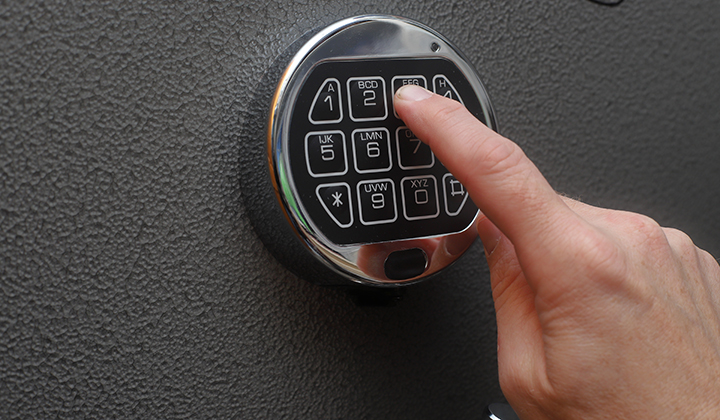
Today, firearms are a leading cause of death for children and teens in the United States. The best way to help protect children is by making sure firearms are stored safely and securely. Parents, caregivers and communities all play a role in keeping kids safe through child firearm safety.
The risks of unsecured firearms
Many parents are surprised to learn how often children can access firearms that are left unlocked or improperly stored. Emphasizing child firearm safety and gun safety for kids helps families recognize everyday risks.
According to HealthyChildren.org, about one-third of U.S. homes with children have guns and an estimated 4.6 million children live in homes with at least 1 loaded and unlocked firearm. Even young children can find a firearm and are often strong enough to pull the trigger.
Research shows that approximately half of unintentional firearm deaths involving children and teens occurred in the home between 2001 and 2021. In many cases, children found a handgun in a bedroom, nightstand or other easily accessible location, underscoring the need for safe gun storage.
Between 2015 and 2024, there were more than 3,500 unintentional shootings by children age 17 and younger. These incidents resulted in more than 1,200 deaths and more than 2,000 injuries. More than 90% of the victims were other children and more than one-third of these shootings involved preschool-aged children. Many unintentionally shot themselves, a sibling or a friend.
While these statistics can feel overwhelming, they highlight an important truth: many firearm-related injuries are preventable through safe storage, education and preparation.
Firearms increase suicide and homicide risks
Unintentional shootings are only part of the concern. Children and teens who live in homes with firearms face a significantly higher risk of suicide. HealthyChildren.org reports that suicide rates among youth are 4 times higher in homes with guns than in homes without them.
In the past decade, approximately 40% of children and teens who died by suicide used a firearm.
The presence of firearms also increases homicide risk. Research cited by HealthyChildren.org shows the risk of homicide is 3 times higher when guns are present in the home. In fact, 58% of firearm deaths among children and teens are homicides. This is why child firearm safety, paired with safe gun storage, is central to child injury prevention.
Safe firearm storage saves lives
When it comes to firearm safety, secure storage is one of the most important steps parents can take. The gold standard for firearm storage is to keep all firearms:
- Locked
- Unloaded
- Stored separately from ammunition
There are many storage options available, including:
- Gun safes
- Lock boxes
- Trigger locks
- Cable locks
- Secure storage cases
The best storage solution is the one you can use consistently every time. It's important not to rely on hiding a firearm. Children are naturally curious and often know more about their surroundings than adults realize. If you own firearms, make sure children cannot access storage keys, combinations or passwords. Safe storage helps prevent accidental shootings and reduces access during moments of crisis.
Being prepared matters, too
Prevention is always the goal, but being prepared is another important part of keeping children safe. Through Children's Mercy's Prepped & Ready program, families can learn practical skills to prepare for emergencies and receive tools to create a safer home. Building a family safety plan, having age-appropriate conversations about risks and encouraging children to speak up when something feels unsafe are all ways to help children feel confident and prepared.
When families take steps to prevent injuries before they happen, they create safer environments both at home and in their communities as part of broader child firearm safety efforts.
Why conversations still matter
While secure storage is the most effective way to reduce risk, talking with children about firearm safety remains important. Teach children to:
- Stop if they see a firearm.
- Never touch it.
- Leave the area immediately.
- Tell a trusted adult right away.
These conversations should happen regularly and be adjusted based on your child's age and understanding.
Programs like Prepped & Ready encourage families to have these safety conversations before an emergency occurs, helping children understand what to do in situations involving potential dangers and reinforcing gun safety tips for parents.
Be SMART about firearm safety
Even if you do not own a firearm, you can help create safer environments for children. The Be SMART campaign encourages families to promote responsible firearm storage and safety.
Secure
Secure all firearms in your home and vehicles with safe gun storage practices.
Model
Model responsible behavior around firearms.
Ask
Ask about the presence of unsecured firearms in homes where your child visits or plays.
Recognize
Recognize the role firearms can play in suicide.
Tell
Tell others about the importance of safe firearm storage and child firearm safety.
Ask about guns before playdates
Parents often ask about allergies, supervision and pets before sending their child to another home. Firearm safety should be part of that conversation too. Before a playdate, consider asking: "Are there any firearms in the home and are they stored locked and unloaded?"
It may feel uncomfortable at first, but it's a simple question that can help protect children. Asking important safety questions before a child visits another home can help prevent a tragedy before it happen.
Creating safer communities for kids
Whether you own a firearm or not, protecting children is a shared responsibility. Open conversations, safe firearm storage and community awareness can all help reduce the risk of firearm injuries and deaths. Through programs like Prepped & Ready, and Be SMART, families can learn how to prepare for emergencies, talk openly about safety and build habits that help protect children every day.
When it comes to gun safety for kids, the most effective protection starts with prevention. Keeping firearms locked, unloaded and stored separately from ammunition can help save lives. Prioritizing safe gun storage, child firearm safety and consistent gun safety advances child injury prevention across homes and communities.
Related Posts
- Hitting and biting: what parents need to know
- Debunking myths about COVID-19
- How to promote diversity and inclusion in your child’s life
- What every parent should know about preventing child trafficking
- The No. 1 rule about cleaning out earwax
- Food allergies: are more kids allergic to food or are we just more aware?
- Bedwetting: What causes it and when to be concerned?
- The great cover-up
- All about strep throat
- A parent’s guide to discussing white privilege