
Get updates
Have a parenting hack to share? Or a topic you'd like to see?
Understanding parasocial relationships in teen media use

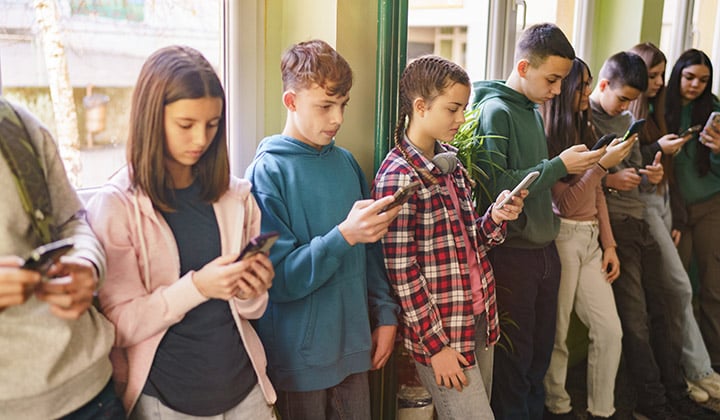
Research suggests social media influencers can have both positive and negative effects on teenagers. One potential benefit is the development of parasocial relationships— one-sided emotional connections that individuals form with media figures. These relationships can provide a sense of companionship and motivation, especially during adolescence, a time when social connection is particularly important.
Social media has significantly changed how young people seek and experience connection. However, it is important to monitor and maintain a healthy balance in these relationships. Without balance, parasocial interactions may lead to unrealistic expectations or emotional distress. Parents and caregivers are encouraged to stay informed about the content their teens are engaging with and to be attentive to how it affects their emotional well-being.
What are parasocial relationships?
Parasocial relationships occur when someone feels connected to a public figure or influencer who doesn’t know them personally. While these relationships are one-sided, they can still help kids feel better, more accepted and inspired to do good things. A healthy parasocial connection can make teens feel seen, heard and motivated; this is especially true for historically marginalized groups.
However, the key lies in what content is being consumed and how much. If the content leaves your teen feeling anxious, inadequate or unhappy, it may be time to review the content they’re interacting with. As with anything, moderation is essential.
How to recognize if your kid is struggling with social media consumption
Some signs of difficulties with social media use include:
- Preferring social media to in-person social interactions.
- Not wanting to do things for their wellbeing like getting good sleep or focusing on school.
- Increasing emotional distress when away from social media.
What to do if you think your teen is struggling with influencer content
If you’re concerned your teen is following a negative or harmful influencer, here are some steps you can take:
- Encourage self-evaluation. Help your teen reflect on how the content makes them feel. Are they inspired or discouraged?
- Stay emotionally aware. Teach them to notice their emotional responses while scrolling.
- Understand the platform. Remind them social media is designed for engagement and profit — not necessarily for their wellbeing.
- Know who they follow. Learn about the influencers your teen watches. Consider following them yourself to better understand the content.
- Suggest alternatives. Offer other activities or recommend more positive influencers who align with your teen’s values and interests.
Encourage your teen to ask themselves:
- How do edited or filtered photos make me feel?
- Do I feel comfortable and confident after watching this content?
- Am I genuinely happy after spending time on this platform?
By being aware and having open conversations, we can help teens build healthier relationships with the media they consume and find empowerment through their screens. Remain curious about your child’s social media use and follow the influencers with them to avoid making snap judgements, and you can find common ground.
Associate Professor of Pediatrics, University of Missouri-Kansas City School of Medicine