Pediatric Resident Global Health Track
Track Overview
The Global Health Track is a longitudinal educational program available to pediatric residents, Med-Peds residents, and child neurology residents at Children's Mercy.
Residents apply during the fall of intern year and begin the track in January of PGY-1. There is no cap on the number of track participants. The curriculum continues throughout residency as a structured two-and-a-half-year experience.
The track is intentionally designed to support trainees with diverse career goals and varying levels of prior global health experience while exploring how global health principles apply to future pediatric practice.
Curriculum Structure
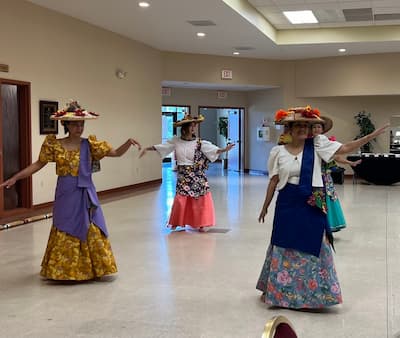
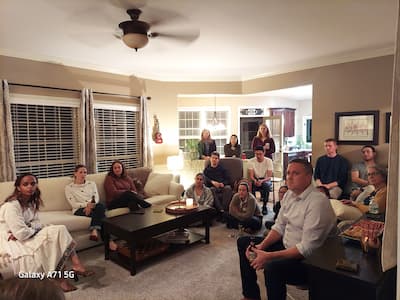
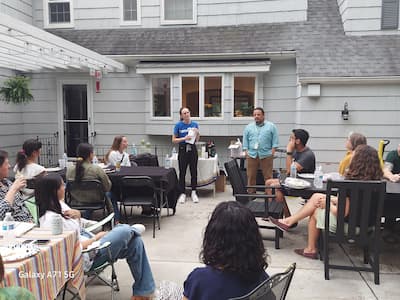
The curriculum includes six noon conferences annually, four academic half days annually, case-based discussions, simulations, journal clubs, Documentary Nights, Cultural Night dinners, faculty mentorship, and e-learning modules.
Educational sessions emphasize refugee and immigrant health, global pediatric epidemiology, ethics in global health, cross-cultural communication, working effectively with interpreters, advocacy and reducing barriers to care, and environmental and social determinants of health.
Local Global Health Rotation
Global health begins locally. During PGY-2, Global Health Track residents participate in longitudinal Local Global experiences integrated into their Y-week schedules. The curriculum combines community engagement, mentorship and debriefing, Global Health Passport e-learning modules, case-based discussions, and structured reflection activities.
Explore the Local Global Health page for the curriculum pillars, community partners, and clinical experiences.
International Elective
Residents in good academic and professional standing are eligible to participate in an international elective during their final year of residency through one of Children's Mercy's established institutional partnerships.
The international elective is intended to support systems learning, cross-cultural collaboration, partnership engagement, longitudinal relationship building, and reflective practice.
Residents receive pre-travel mentorship, site-specific preparation, faculty guidance, post-travel debriefing, and scholarly presentation opportunities.