
Get updates
Have a parenting hack to share? Or a topic you'd like to see?
Mindfulness activities for kids: simple ways to build focus and calm

Contributing Authors
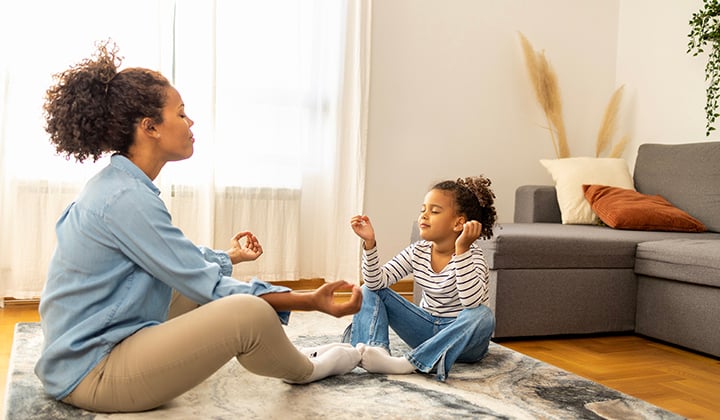
Mindfulness can sound like a big concept, but it’s really just openly noticing the present moment. It’s something kids and adults can practice anywhere, anytime.
Young children are naturally mindful. Anyone who spends time with a toddler knows how they notice and wonder about all the things they see and hear. As kids grow and develop executive functioning skills (how to concentrate on tasks, follow directions, make and keep plans, etc.), mindfulness becomes more of a choice. It’s healthy to have a balance of mindfulness and focused work for the future. With practice, they can strengthen their ability to notice and stay connected to the world around them.
Research suggests mindfulness activities for kids may help improve attention, emotional regulation, mood and social skills. And mindfulness doesn’t have to mean meditation or breathing exercises. Simple activities and everyday questions can encourage kids to notice their senses and surroundings. That’s mindfulness!
How can I teach mindfulness to young children?
Keep it playful and start with the senses: We can see, touch, hear, taste and smell. Our senses are how we learn about the world. Mindfulness activities for kids can be as simple as asking:
- What senses are you using right now?
- Are there ways we can make our senses stronger? (Paying close attention, wearing glasses or hearing aids, etc.)
- Name 5 things you see, 4 you feel, 3 you hear, 2 you smell and 1 you taste.
- If your kids know people who can’t see or hear, you may need to talk about how everyone is different. We can be mindful using any or all of the senses.
Bring mindfulness into everyday conversations
Mindfulness can be woven into daily routines by reminding kids to use their senses and stay curious Ask questions such as:
- What colors do you see right now?
- What quiet sounds can you hear?
- Do you need to change anything to pay closer attention to your senses?
- What does the ground feel like under your feet?
- If you put your hand over your heart, what do you notice?
Curiosity and mindfulness go hand in hand. The more children notice what they see, hear, feel, smell or taste, the more they'll want to know. Encourage their observations and their follow-up questions.
Fun family mindfulness activities
Family mindfulness activities work best when adults participate, model curiosity and make the experience fun.
What's in the box?
Create a mystery box filled with safe household objects like a pebble, stuffed animal or apple. Family members take turns reaching inside and describing an object using only touch while everyone else guesses what it is. You can keep a list of the touch words you use as you go to help build kids’ sensing vocabulary.
Your little cloud
Use cotton balls, glue and paper to create cloud shapes. Notice the shapes and textures as you work. Talk about what you see in each other's creations and remember there are no right or wrong answers.
I spy (with all my senses)
Put a new spin on the classic travel game by using all your senses. Don’t stop at “"I spy with my little eye...” Try:
- "I hear with my little ear..."
- "I smell..."
- "I feel..."
This makes mindfulness fun whether you're at home or on the go.
Small moments matter
You don't need a special program to teach mindfulness. Every time you encourage your child to notice a sound, a color, a feeling or a breath, you're helping build mindfulness skills. These small, everyday moments can help kids become more connected and present while creating mindfulness habits they can carry with them as they grow.
Contributing Authors
Get updates
Have a parenting hack to share? Or a topic you'd like to see?
Related Posts
- Hitting and biting: what parents need to know
- Debunking myths about COVID-19
- How to promote diversity and inclusion in your child’s life
- What every parent should know about preventing child trafficking
- The No. 1 rule about cleaning out earwax
- Food allergies: are more kids allergic to food or are we just more aware?
- Bedwetting: What causes it and when to be concerned?
- The great cover-up
- All about strep throat
- A parent’s guide to discussing white privilege