With a robust diabetes data infrastructure, Rising T1DE Alliance (RTA) at Children’s Mercy transforms years of innovation and research into a sustainable system that supports patient care, quality improvement and future research efforts.
A partnership between RTA and Children’s Mercy Integrated Care Solutions (CMICS) uses a foundational database to translate data-driven insights into better patient outcomes through one of the nation’s first pediatric specialty value-based care programs designed specifically for children with diabetes.
Translating data collection into patient care
RTA is an initiative at Children’s Mercy that uses technology to deliver data-driven care to patients with diabetes. In 2021, the RTA team developed the Diabetes Data Dock, a data repository that collects information from multiple sources such as glucose monitors, glucometers, pump insulin data and electronic health records. The platform helps teams track population health insights and trends while supporting clinical care, quality improvement initiatives and research efforts.
One of the proactive care models through RTA is the Remote Patient Monitoring Program, which uses the Diabetes Data Dock to identify patients at risk for diabetic ketoacidosis or worsening blood sugar control. If a patient is identified at higher risk for an adverse condition, a diabetes educator is prompted to reach out to the patient and their family outside of regular clinic visits. This may result in a better health outcome for the child, but it is not sustainable based on the current fee-for-service approach for billing.
Because of this challenge, RTA leadership realized diabetes care does not fit traditional fee-for-service reimbursement programs that pay providers based on the services provided for a patient rather than health outcomes.
“If there are ways that we can facilitate better control of diabetes in between visits, we're likely to have better outcomes than if we only have the ability to intervene at three- or four-month intervals when we see patients in clinic,” said Jacob Redel, MD, Co-Director, Diabetes Center, Pediatric Endocrinology.
With this in mind, RTA reached out to CMICS to collaborate on a chronic condition value-based care program, referred to nationally as an alternative payment model. This model is patient-centered and pays providers based on health outcomes rather than the number of times a patient is seen.
Collaborating between data-driven science and integrated clinical care
CMICS is a wholly owned subsidiary of Children’s Mercy that partners with community primary care practices, health care systems and insurance companies to improve the health and wellbeing of nearly half of the children in Kansas City. This collaboration brought together RTA’s data infrastructure and expertise in quality improvement with CMICS’ experience in payer partnerships and value-based care programs.
Considering the daily maintenance needs of patients with diabetes, the robust data infrastructure already established through the Diabetes Data Dock and a strong Endocrinology clinical and administrative leadership team, CMICS and RTA recognized how RTA would be an ideal candidate for a value-based care program.
Collaboration was critical to the success of the value-based care program as the teams worked together to share data and identify best practices for children with diabetes. The CMICS team combined information from the Diabetes Data Dock with their payer data and displayed it through the Microsoft data visualization platform, Power BI. The platform displays data on interactive dashboards that allows both teams to track performance metrics, monitor individual patient outcomes and identify health trends in children with diabetes.
Value-based care program creates sustainability
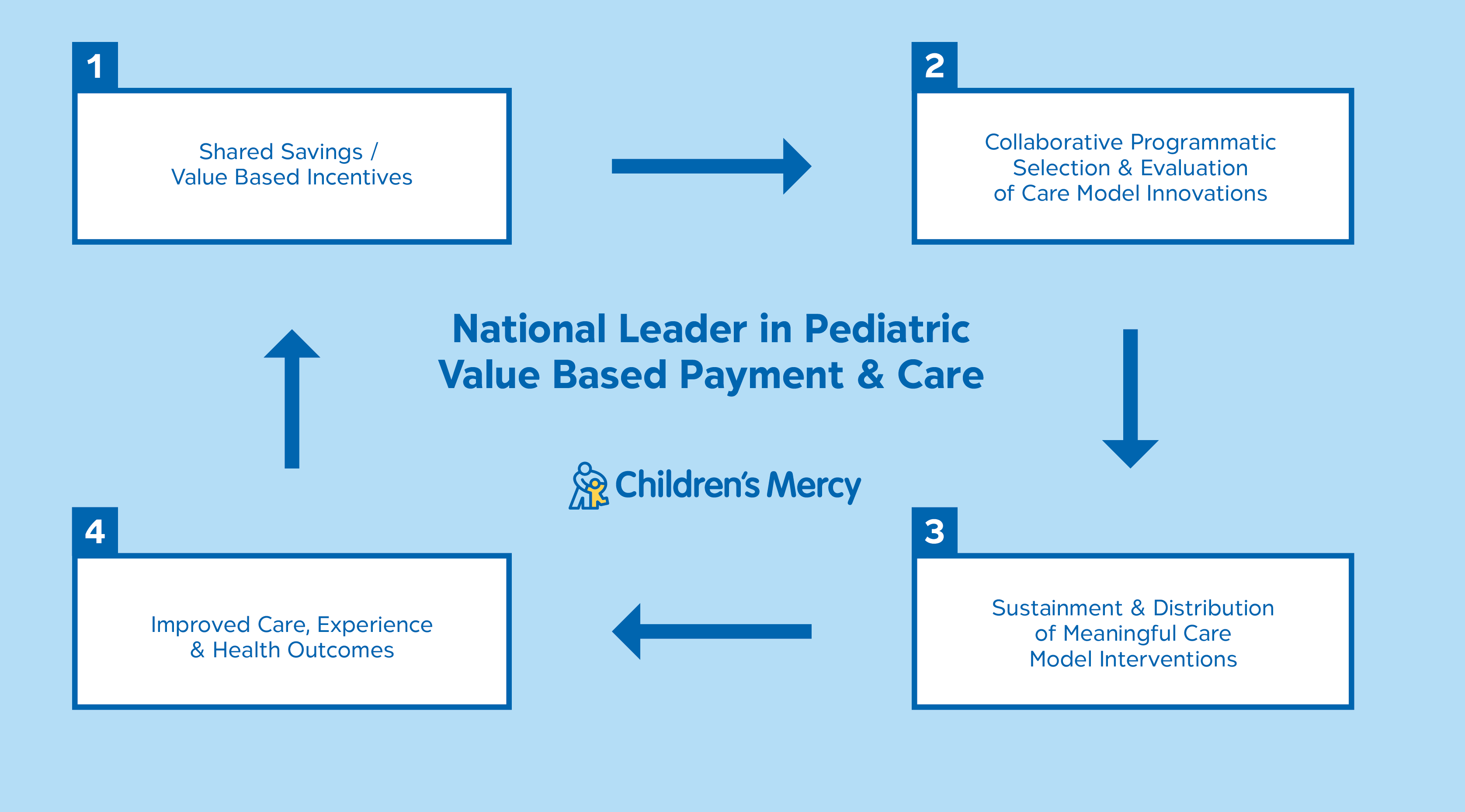
By rewarding better outcomes, the value-based care program supports investments in specialty care, expands patient access to care, strengthens multidisciplinary care coordination and uses data to identify opportunities for growth.
The program also supports outreach opportunities and care that does not require a clinical visit. This is particularly beneficial to RTA for their remote monitoring program, so clinicians and the diabetes educator can reach out and intervene in a timely manner while maintaining funding and resources.
The CMICS program gave us some infrastructure funding to develop and grow our capabilities so that we can reach out to patients and intervene to achieve better health outcomes.
The program offers two funding components: One is guaranteed and helps with upfront funding to increase staff and enhance care processes, while the other is additional funding based on achieving agreed upon targets for quality, cost and utilization metrics. By offering two funding options, this collaboration not only benefits patient care, but also creates a sustainable infrastructure for RTA and allows investment in research and care model improvement initiatives.
Building momentum for the future
How does this impact patient care at Children’s Mercy?
The collaboration between CMICS and RTA significantly impacts patients with diabetes. RTA is able to maintain sustainability while patients receive care centered around better health outcomes.
“It helps us reach our entire patient population and improve outcomes for all of them,” said Dr. Redel. “It's been really transformational to help us continue to build this program with the goal of providing all of our patients with timely, data-driven care, no matter when it is or where they live.”
The value-based care program for children with diabetes launched in 2024 and saw significant improvements in outcomes in 2025. By improving the health and wellbeing of patients and meeting all six of their performance metrics, including increased patient interventions and lowered admissions for diabetic ketoacidosis, RTA received $150,000 through the program. This achievement demonstrates how research combined with collaborative expertise can translate into better data-driven care while creating sustainable funding for future innovation.
“The CMICS program gave us some infrastructure funding to develop and grow our capabilities so that we can reach out to patients and intervene to achieve better health outcomes,” said Dr. Redel. “That’s where the program is really beneficial because it provides both the infrastructure funding up front, but then it also provides the incentive funding if we reach certain goals.”
Through the Diabetes Data Dock and value-based care program, RTA researchers will continue to analyze the effectiveness of specific interventions and their impact on clinical care.
“The back and forth between research and clinical operations can inform and build on each other to help improve patient outcomes,” said Brent Lockee, Lead Data Scientist, Research Informatics.
You can learn more about team members who are advancing the Children's Mercy pediatric footprint in the FY26 Research Annual Report, which will be published soon.