Jeff Hughley, MBA, Office for Community Impact, received a one-year, $300,000 Nonprofit Partnership Grant from Jackson County, Missouri. The funding will help support Children’s Mercy’s Healthy Homes Program and covers a project period of Jan. 1, 2026-Dec. 31, 2026.
Children with complex medical conditions or chronic diseases like asthma can experience significant side effects from homes with unsafe housing conditions or environmental hazards like lead, mold, dirt, etc. Exposure to tobacco, smoke, dust and pests can also exacerbate certain medical conditions. Long-term exposure to harmful contaminants can increase the risk of poor health resulting in additional hospital visits.
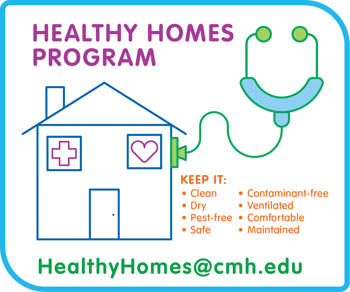
For over 20 years, the Healthy Homes Program at Children’s Mercy has been working to reduce environmental health risks and hazards in Kansas City homes. The program conducts limited virtual and in-person free home assessments to analyze structural, mechanical, air and environmental qualities to identify potential hazards. Besides visual assessments, samples are acquired and analyzed for contaminants in a laboratory setting. Recommended repairs and air quality issues are reported to the family with a health action plan on ways to improve the home environment.
This grant will help continue the work of the Healthy Homes Program by funding education, free assessments and healthy home kits for 50 homes. Hughley and his team strive to improve pediatric health outcomes by creating safer living environments and simultaneously lowering emergency room visits, health care costs and potential triggers for conditions like asthma.
“This funding allows Children's Mercy to extend the reach of our Healthy Homes Program directly into the neighborhoods where our patients live. More than half of the families we serve reside in Jackson County, and this investment means more children will receive free in-home assessments, healthy home supplies and critical minor repairs that address the environmental hazards like mold, lead and poor ventilation, which make them sick,” said Hughley. “In the program, we see fewer emergency visits, lower health care costs and most importantly, children who can breathe easier, learn better and thrive. Every dollar invested upstream in a child's home is an investment in their long-term health and potential.”